Commercial Truck Insurance: How to Slash Your Rates & Secure the Best Coverage
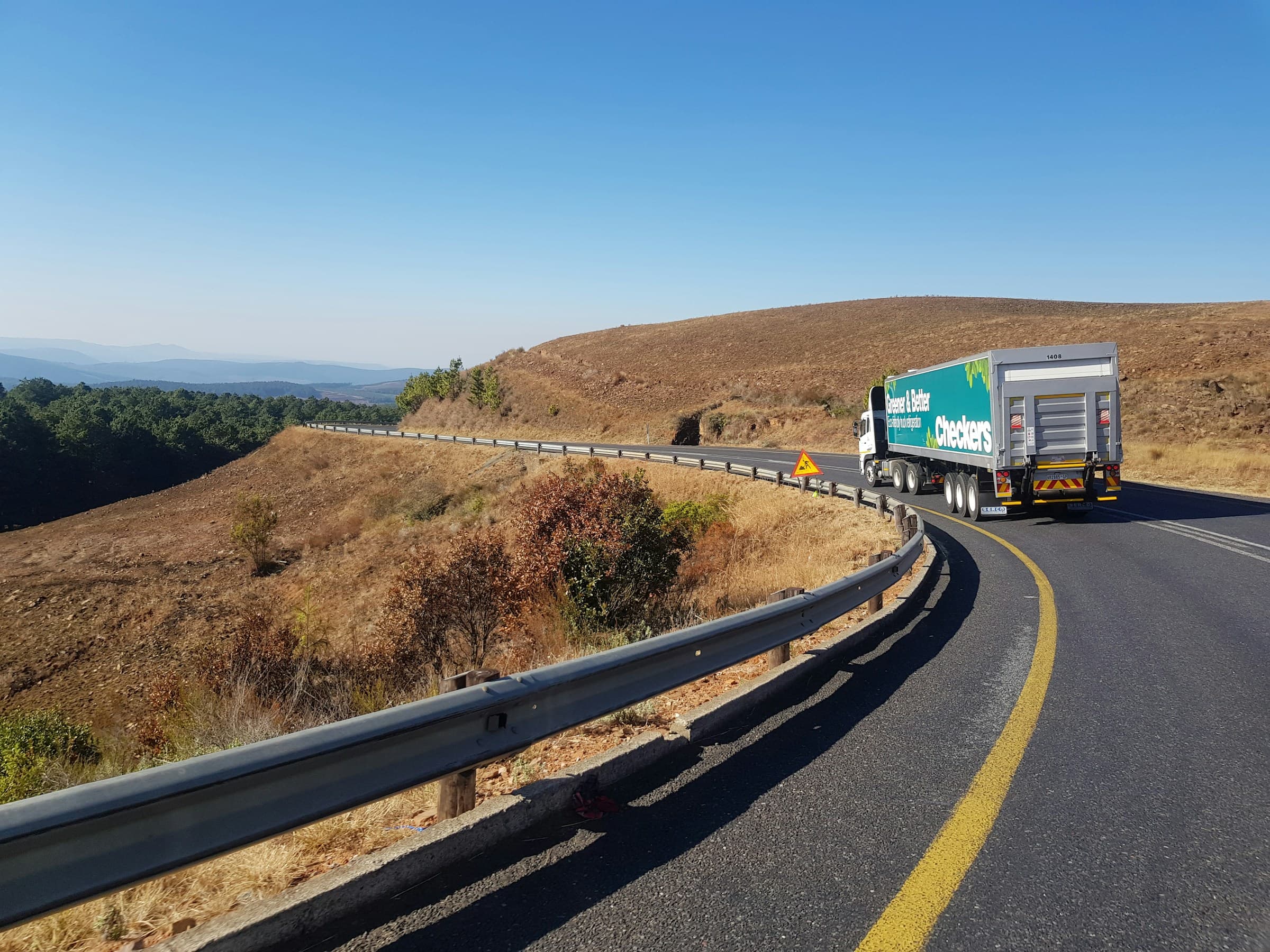
The federal safety net for trucking is built on insurance, and the numbers speak loudly: FMCSA requires a minimum $750,000 cargo liability and $1 million public liability for most carriers. Yet many operators pay double or triple that baseline because they overlook the levers that drive premiums.
Regulatory Mandates & Core Coverage Requirements
Under 49 CFR Part 387, the FMCSA mandates three minimum financial responsibility levels for carriers that hold operating authority. The baseline is $750,000 for motor truck cargo, $1 million for public liability, and $5 million for bodily injury and property damage combined. Carriers that transport hazardous materials must add a $5 million hazardous‑material endorsement, and any carrier that operates across state lines must file a BMC‑91X report each quarter to prove compliance.
State surcharges vary widely. For example, Texas adds a $150 per‑vehicle surcharge for high‑risk routes, while California imposes a $200 surcharge for carriers with a DOT safety rating below 90. Failure to meet these thresholds results in immediate authority suspension, which can cost a fleet thousands in lost revenue.
Compliance is not optional; it is the floor upon which every risk‑management strategy is built. The FMCSA’s own filing portal confirms that insurers must be licensed in the state of issuance and maintain a minimum net worth of $1 million for Class 8 coverage.
Commercial Truck Insurance Cost Drivers & Real Pricing
Annual premiums for a Class 8 tractor range from $2,500 to $3,500 for a clean‑record fleet, but the spread widens dramatically with mileage, cargo type, and deductible choices. A 2023 Geotab study shows that leased owner‑operators can see premiums under $4,000, while fully owned fleets with high‑hazard cargo can exceed $20,000 per vehicle.
Deductibles act as a lever: raising the deductible from $5,000 to $25,000 can shave 10‑15 per cent off the premium, but it also raises out‑of‑pocket exposure after a claim. Radius of operation matters, too; carriers that stay within a 250‑mile radius typically enjoy lower rates because they face fewer jurisdictional inspections and lower accident probability.
Driver experience is a proven cost driver. eCapital notes that employing drivers with five or more years of clean DOT records can reduce premiums by up to 12 per cent. Similarly, a spotless safety rating (above 95) unlocks discounts from most carriers.

Top Commercial Truck Insurers: Verified Market Comparison
| Carrier | AM Best Rating | Key Strength | Typical Premium Range | Notable Endorsements |
|---|---|---|---|---|
| Progressive Commercial | A (Excellent) | Largest commercial auto writer; strong online policy tools; mileage‑based discounts. | $2,500‑$4,500 per Class 8 vehicle | Bobtail, Motor Truck Cargo, Reefer Breakdown |
| Northland Insurance Company | A (Excellent) | Deep claims handling expertise; tailored for experienced bulk carriers. | $3,000‑$5,000 per Class 8 vehicle | Hazardous‑Material, General Liability |
| Canal Insurance Company | A (Excellent) | Mileage‑linked programs that reward low‑use fleets. | $2,800‑$4,200 per Class 8 vehicle | Motor Truck Cargo, Physical Damage |
| Great West Casualty Company | A (Excellent) | Comprehensive coverage suite; strong financial backing from Old Republic. | $3,200‑$5,500 per Class 8 vehicle | Bobtail, Cargo, Trailer Interchange |
| Sentry Insurance | A‑ (Good) | Industry‑specific solutions for bulk and refrigerated trucking. | $3,000‑$5,200 per Class 8 vehicle | Reefer Breakdown, Cargo, General Liability |
Essential Endorsements & Cargo Coverage Traps
Motor truck cargo insurance is often sold as an add‑on, but many policies exclude high‑value freight, temperature‑sensitive loads, or cross‑border shipments. A common trap is the “per‑occurrence” limit that caps total payout at $100,000, which is insufficient for a single container of electronics worth $250,000.
Bobtail coverage protects a tractor when it is not attached to a trailer, yet some carriers mistakenly rely on their general liability policy, which does not cover accidents occurring during dead‑head trips. Reefer breakdown endorsement is essential for temperature‑controlled cargo; without it, a malfunction can trigger a total loss claim that the base policy will not cover.
Always audit the exclusions list. Look for language that voids coverage if the driver exceeds a certain number of hours without an ELD record, or if the vehicle operates in a high‑risk jurisdiction without a surcharge waiver.
Risk Control Strategies: Lowering Fleet Premiums
Telematics is the single most effective lever. Real‑time speed monitoring, harsh‑brake alerts, and idle‑time reduction can lower accident frequency by up to 20 per cent, according to FMCSA safety data. Insurers reward fleets that share telematics data with discounts ranging from 5 to 12 per cent.
Speed governors set a hard cap on maximum vehicle speed, directly reducing the kinetic energy involved in a crash. Installing governors can shave 7 per cent off the premium, and many states offer tax credits for the equipment.
ELD compliance is no longer optional. A clean ELD record demonstrates adherence to Hours‑of‑Service rules, which insurers view as a proxy for driver fatigue risk. Conduct quarterly safety audits, track DOT inspection results, and address any violations within 30 days to keep the safety rating above 95.
Finally, leverage IRS Section 179 to deduct the cost of safety equipment, including cameras, lane‑departure warnings, and advanced driver‑assistance systems. Those deductions reduce taxable income, freeing cash that can be reinvested in risk‑mitigation technology.

Strategic Synthesis & Forward Outlook
Compliance with FMCSA’s 49 CFR Part 387 is the non‑negotiable foundation; without it, no premium discount matters. Layer that foundation with data‑driven risk controls, telematics, speed governors, and rigorous driver training to unlock the bulk of available savings. Choose a carrier whose endorsement suite matches your cargo profile, and negotiate mileage‑linked pricing where possible.
Next steps: (1) audit your current policy for gaps in cargo and bobtail coverage; (2) install a telematics platform that feeds real‑time data to your insurer; (3) benchmark your safety rating against the 95‑point threshold and remediate any deficiencies; (4) request a comparative quote from at least three carriers in the table above, emphasizing your telematics participation; (5) lock in a deductible that balances cash‑flow risk with premium reduction. Executing these actions positions your fleet to pay only for the risk you actually create, not for generic industry averages.
MAKIA ENI TIMOTHY is the founder and lead editor of Skrihbe. His work explores the intersection of macroeconomic market trends, quantitative trading algorithms, personal finance strategies, and fintech innovations.