Digital Mortgage Lenders: First-Time Homebuyers' Secret Weapon for Sharper Rates and Faster Closings in 2026
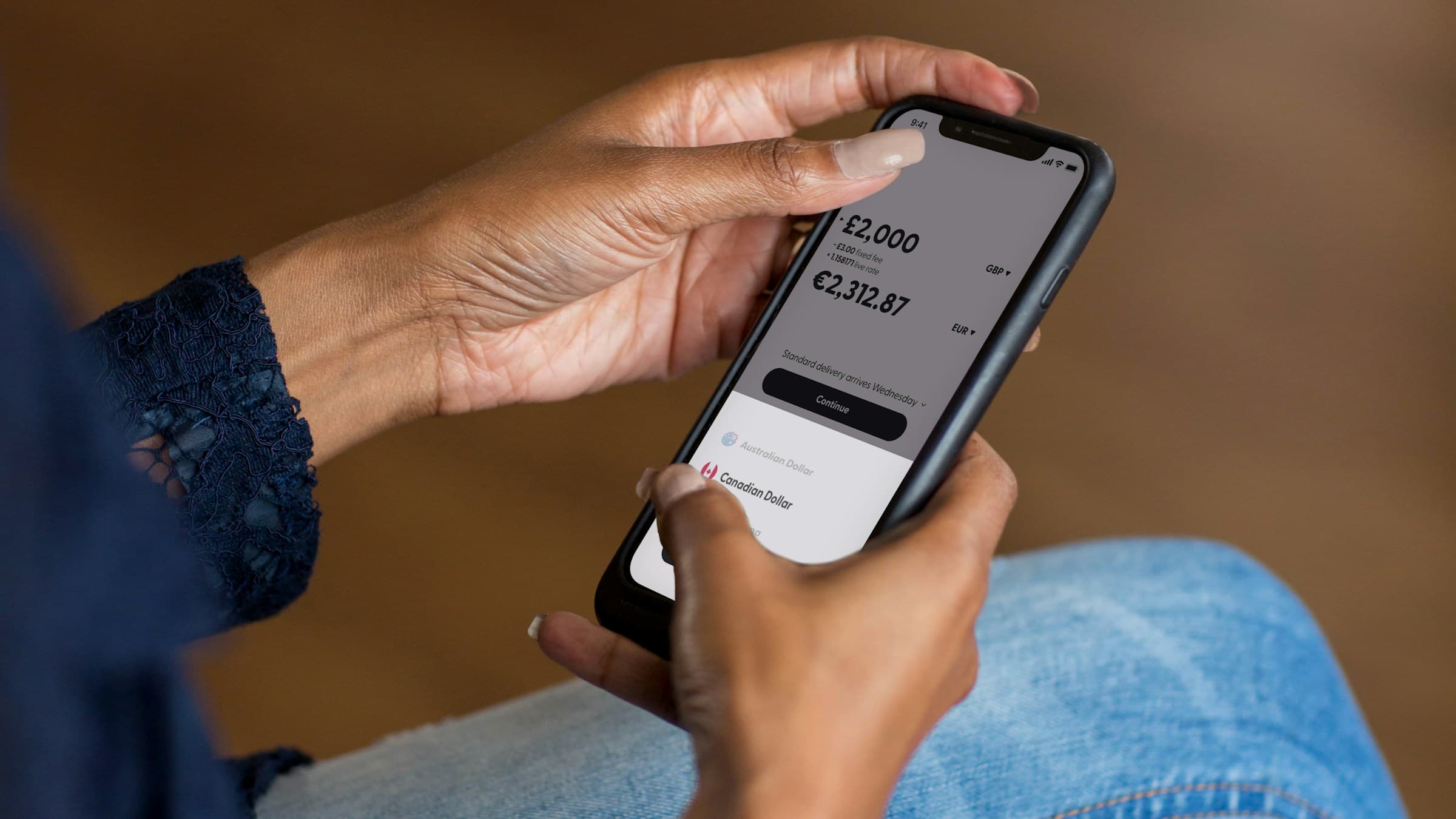
Buying your first home in 2026 isn't just a monumental life event; it's a financial gauntlet. Elevated home prices, rising property taxes, and increased insurance premiums combine to create a formidable affordability challenge. The average first-time buyer is now around 40 years old, a stark indicator of the uphill battle many face in saving for a down payment and managing existing debts, like credit card balances hovering at 24% interest. Traditional mortgage avenues, burdened by legacy systems and hefty overheads, often exacerbate this pressure, burying hopeful buyers in paperwork and protracted timelines. But a seismic shift is underway, one that savvy first-time homebuyers are increasingly leveraging: the rise of digital mortgage lenders.
These agile, tech-driven platforms aren't just an alternative; they are becoming a strategic imperative for securing better rates and closing deals with unprecedented speed. The digital mortgage platforms market is experiencing rapid growth, projected to reach $9.53 billion in 2026 and $16.52 billion by 2030, driven by automation, AI, and the demand for efficient remote processing. For those who know how to navigate this evolving landscape, digital lenders represent a crucial advantage, transforming a stressful process into a streamlined path to homeownership.
The Old Guard's High Costs: Why Traditional Lenders Fall Short
The conventional mortgage process, familiar as it is, carries inherent inefficiencies that translate directly into higher costs for you. Brick-and-mortar banks maintain extensive physical branch networks, large administrative staff, and often outdated, paper-intensive workflows. These operational expenditures don't magically disappear; they're baked into the rates and fees you pay.
Consider the layers of manual verification, the back-and-forth phone calls, and the physical document submission that characterize a traditional application. Each step is a bottleneck, consuming time and human resources. This inertia isn't just inconvenient; it’s expensive. Traditional lenders often charge origination, application, and underwriting fees that can amount to thousands of dollars, directly impacting your upfront costs and, potentially, your interest rate over the loan's lifetime.
Furthermore, the pace of traditional lending can be agonizingly slow. While online lenders can close in as little as 8 to 22 days, the industry average for conventional mortgages typically hovers around 30-40 days. In a competitive housing market, a slower closing time can mean losing out on your dream home. This isn't just about patience; it's about competitive disadvantage.
The Digital Edge: How Online Lenders Reshape Affordability
Digital mortgage lenders operate on a fundamentally different premise. By automating vast swathes of the lending process, they drastically reduce overhead, streamline operations, and ultimately, can pass those savings on to borrowers in the form of lower interest rates and reduced fees.
Here's how they do it:
- Automated Underwriting: Instead of human loan officers manually reviewing every document, digital platforms use sophisticated algorithms and AI to process applications, verify income and assets, and assess risk with remarkable speed and accuracy. This means quicker pre-approvals, often within minutes or hours, and faster loan underwriting.
- Reduced Infrastructure: No sprawling branch networks mean no rent, fewer utility bills, and a smaller employee footprint focused on specialized tasks. This lean operational model directly translates to cost efficiency.
- Electronic Documentation: Gone are the days of faxing stacks of paper. Digital platforms allow for secure online document upload, e-signatures, and seamless data flow, cutting down on physical paperwork and associated costs.
- Enhanced Transparency: Many digital lenders offer online dashboards where you can track your loan's progress in real-time, get instant updates, and communicate directly with your loan team through secure messaging systems. This transparency reduces anxiety and ensures you’re always in the loop.
Unpacking the Rate Advantage: Small Differences, Huge Savings
A seemingly minor difference in your interest rate can, over a 30-year mortgage term, amount to tens of thousands of dollars in savings. Digital lenders, due to their operational efficiencies, often provide more competitive rates, sometimes by just a quarter or an eighth of a percentage point. But the math on those small fractions is anything but small.
Let's consider a hypothetical $350,000, 30-year fixed-rate mortgage:
- At 7.50% APR: Your monthly principal and interest payment would be approximately $2,447. Over 30 years, you'd pay roughly $880,920 in total, with $530,920 going to interest.
- At 7.25% APR: A modest 0.25% reduction drops your monthly payment to about $2,386. Over 30 years, your total payments would be around $858,960, with $508,960 in interest.
That 0.25% difference? It saves you roughly $61 per month, accumulating to over $21,960 in total interest saved over the life of the loan. This isn't a theoretical exercise; it's tangible cash that stays in your pocket, building your equity faster and strengthening your financial position.
Navigating the Digital Landscape: Choosing Your Secret Weapon
Not all digital lenders are created equal. As a first-time homebuyer, your due diligence is paramount. You need to look beyond flashy interfaces and focus on substance: rates, fees, loan products, and customer support.
Here’s what to prioritize:
- Competitive Rates & Fees: Compare interest rates, APRs, and look for lenders that charge zero or minimal origination, application, and underwriting fees. For example, Better Mortgage is known for its zero lender fees, which can save thousands upfront.
- Loan Options: Ensure the lender offers the loan types you need (conventional, FHA, VA, USDA, jumbo, etc.). Some digital lenders specialize, while others, like Rocket Mortgage, offer a broad range.
- Credit Score Flexibility: While a strong credit score (720+ FICO) is always beneficial, some digital lenders, particularly for FHA loans, can accommodate scores as low as 580.
- Customer Service & Support: Even with automated processes, human guidance is invaluable. Look for lenders that provide accessible phone, chat, or video consultation options with loan officers. Some hybrid models, like those offered by traditional banks with strong digital platforms (e.g., Bank of America Digital Mortgage Experience), offer the best of both worlds.
- Reputation & Reviews: Check independent review sites like the Better Business Bureau or J.D. Power scores for customer satisfaction.
- Security: Verify their data security practices. Look for SOC 2 Type II certifications and strong encryption protocols.
| Provider / Product | Core Advantage | Typical Rates (Example) | Fees & Minimums | Best For | Action |
|---|---|---|---|---|---|
| Better Mortgage | Zero lender fees, fast approvals (24-hour commitment) | Competitive, often below national average (e.g., 6.5%-7.2% APR for 30-yr fixed) | No origination, application, or underwriting fees. Other third-party closing costs apply. Min. 3% down payment. | Borrowers seeking minimal upfront fees and rapid closing, comfortable with a fully digital process. | Visit Better → |
| Rocket Mortgage | Fully online experience, speed (average 22-day closing), strong customer satisfaction | Market competitive (e.g., 7.375% Rate / 7.665% APR for 30-yr fixed) | Approx. $1,200 origination fee, good faith deposit ($400-$750). Low down payment options (1% conventional, 3.5% FHA, 0% VA). | First-time buyers needing flexible down payment options, prioritizing convenience and speed from a large lender. | Visit Rocket → |
| loanDepot | Competitive rates, wide range of loan products, including specialty loans | Often among the lowest rates from major lenders | Varies by loan type, can include origination fees. Offers conventional, FHA, VA, jumbo, and refinancing. | Buyers prioritizing competitive interest rates and a broad selection of loan programs. | Visit loanDepot → |
| SoFi Home Loans | No origination fees for members, streamlined online application, diverse financial products. | Competitive, often waives origination fees for existing customers | No origination fees typically for members. Offers conventional, jumbo, FHA, VA, and refinancing. | Borrowers with strong credit already using SoFi for other financial services. | Visit SoFi → |
Remember, always get a personalized Loan Estimate from at least three different lenders within a 14-day window to compare all costs accurately. This includes comparing the interest rate, APR, origination fees, third-party fees, and any discount points.

Beyond Rates: The Hidden Value of Speed and Simplicity
While lower rates are often the primary draw, digital lenders offer compelling advantages that extend beyond just the monthly payment. Speed and simplicity are critical, especially for first-time buyers navigating an already complex process.
- Faster Pre-Approval: Digital platforms can issue pre-approval letters in minutes or hours, compared to days with traditional lenders. This speed is crucial in a competitive market, signaling to sellers that you are a serious and qualified buyer ready to move quickly.
- Streamlined Document Submission: Uploading documents securely through a portal, or even connecting bank and payroll accounts for automatic data import, eliminates the hassle of physical paperwork and reduces errors. This cuts down on processing time and makes the underwriting process smoother.
- Reduced Closing Times: As mentioned, digital lenders often boast significantly faster closing times. Rocket Mortgage averages 22 days, nearly half the industry average. Better Mortgage can get a loan commitment in 24 hours for eligible borrowers and facilitates closings faster than the industry average. This speed can be a lifesaver if you're working with a tight closing deadline or want to avoid extending your rental lease.
- Convenience from Anywhere: The ability to complete much of the process from your couch, at your own pace, removes geographical constraints and inconvenient office visits. This flexibility is a significant benefit for busy professionals or those in remote areas.
Tactical Execution: A First-Timer's Playbook for Digital Mortgages
Ready to wield digital mortgage lenders as your secret weapon? Here’s a step-by-step playbook to ensure you secure the best possible terms:
- Fortify Your Credit: Before you even start looking, check your credit report with services like Credit Karma or Experian. Aim for a score of 620 or higher for conventional loans, though FHA can go lower. Pay down high-interest debt to improve your debt-to-income (DTI) ratio, which is crucial for approval.
- Gather Your Digital Arsenal: Have all essential financial documents ready in digital format: W-2s, pay stubs, bank statements, tax returns, and proof of assets. Digital lenders thrive on quick, complete submissions.
- Get Multiple Pre-Approvals: Don't just get one. Apply for pre-approval with at least three to five different digital lenders. This allows you to compare personalized rate offers, fees, and terms without impacting your credit score significantly if done within a short shopping window (typically 14-45 days).
- Scrutinize Loan Estimates: Once you have a property under contract, each lender will provide a Loan Estimate. This standardized document clearly breaks down all costs. Focus on Section A (Origination Charges) for lender fees, Section B (Services You Cannot Shop For), and Section C (Services You Can Shop For). Pay attention to the APR, which reflects the true annual cost of the loan, including fees.
- Leverage Technology for Communication: Use the secure online portals and messaging systems. Respond promptly to requests for additional documentation or clarification. This proactive approach accelerates the process significantly.
- Understand Closing Costs: While digital lenders might reduce origination fees, you'll still have third-party costs like appraisal fees, title insurance, and government recording fees. Budget for these, typically 3-6% of the loan amount. Also, consider discount points, where paying 1% of the loan amount upfront can reduce your interest rate by about 0.25%.
The Bottom Line: Reclaiming Your Equity Sooner
For too long, the mortgage process has felt opaque and intimidating, especially for first-time homebuyers already navigating a challenging market. Digital mortgage lenders are changing that equation. They offer a potent combination of lower rates, reduced fees, unparalleled speed, and a transparent, convenient application process.
Embracing these platforms isn't just about finding a good deal; it's about reclaiming control of your homebuying journey, making smarter financial decisions, and ultimately, building equity in your home faster. The future of home financing is digital, and first-time buyers who harness its power will be the ones celebrating their new keys with confidence and a healthier balance sheet.
MAKIA ENI TIMOTHY is the founder and lead editor of Skrihbe. His work explores the intersection of macroeconomic market trends, quantitative trading algorithms, personal finance strategies, and fintech innovations.