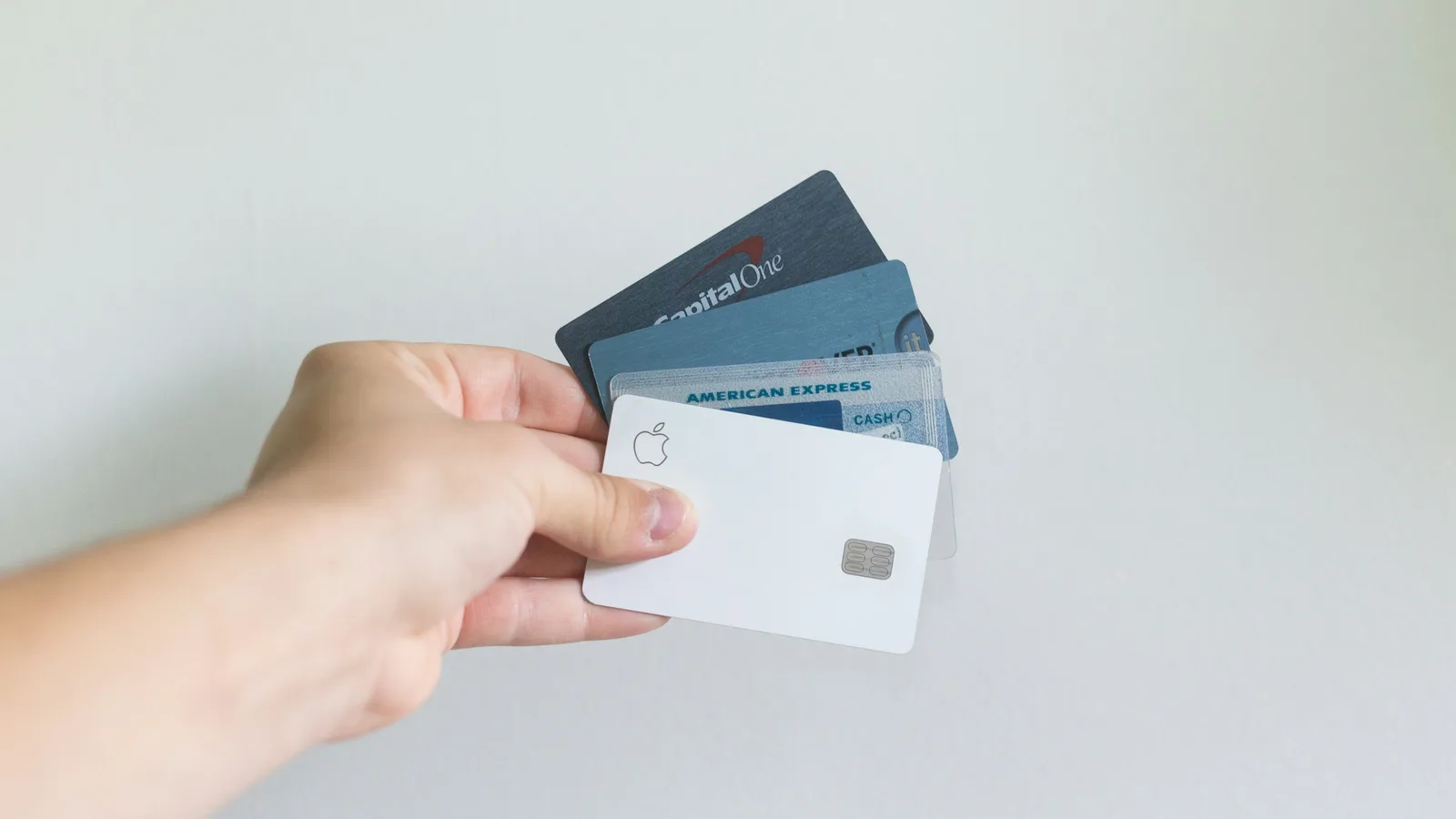
The Brutal Truth About Credit Card Debt: Best Balance Transfer Cards for 2026 to Slash Your APR

Leaving thousands of dollars on a credit card charging 22% or more isn't just irresponsible, it's financial arson. With the average credit card debt per American hovering around $6,600 to $7,700 in 2026, and average APRs on interest-accruing cards climbing to 22.36%, the interest payments alone can feel like pouring money directly into a bonfire, month after month. It's a treadmill, perpetually moving, and if you don't step off, you're going nowhere but deeper into the red. But there's a strategic exit: the balance transfer credit card.
The Debt Treadmill: Why Your High-Interest Balances Are a Silent Killer
It’s simple math, really. Say you're carrying a $7,000 balance on a card with a 23% APR. If you only make the minimum payment – usually 1% to 3% of the balance plus interest – you're essentially signing up for a decade-long repayment plan where a massive chunk of each payment vanishes into interest. Over the course of a year, that $7,000 balance could rack up over $1,600 in interest alone, often with little dent in the principal. The banks love this, naturally. It's a high-margin business for them, and a crushing burden for you. This isn't just about personal finance; it's about financial leverage, and right now, the leverage is all on the bank's side.
Many people find themselves in this trap, perhaps from an unexpected expense, a lapse in judgment, or simply the compounding effect of everyday purchases. The feeling of being stuck is real, and the psychological weight can be as heavy as the financial one. But you're not helpless. A balance transfer is more than just moving money; it's buying yourself time, an interest-free reprieve, to execute a disciplined payoff plan.

The Balance Transfer Advantage: A Strategic Reset Button
A balance transfer credit card acts as a debt consolidation tool, offering an introductory 0% Annual Percentage Rate (APR) period – sometimes for as long as 21 months – on transferred balances. Think of it as hitting the reset button. For this crucial period, every single dollar you pay goes directly to chipping away at your principal, not vanishing into the black hole of interest. This isn't free money; it's a strategic window, a chance to outmaneuver the banks at their own game.
The core mechanism is straightforward: you apply for a new credit card specifically designed for balance transfers. Once approved, you initiate a transfer of your high-interest debt from your old card(s) to this new card. The catch? Almost all balance transfer cards come with a one-time fee, typically ranging from 3% to 5% of the amount transferred. It's an upfront cost, no doubt, but one that almost always pales in comparison to the interest you'd pay otherwise. For instance, moving a $7,000 balance with a 3% fee costs $210. Compare that to the $1,600+ in interest you'd likely pay in a year at 23% APR. The math, as I said, is simple.
Navigating the Minefield: Hidden Fees and Crucial Considerations
While the 0% APR sounds like a savior, it's not a free lunch, and smart money managers scrutinize the fine print. Here’s what to look out for:
- Balance Transfer Fees: As noted, this is the most common fee. Many cards offer an introductory 3% fee for transfers made within the first 60 to 120 days, which then jumps to 5%. Missing that initial window means a higher upfront cost. Some cards, like the Chase Slate, have a flat 5% fee from the start.
- Annual Fees: The best balance transfer cards usually carry a $0 annual fee. Don't fall for a card that charges one if your primary goal is debt reduction.
- Introductory Period Expiration: This is where most people get tripped up. That 0% APR isn't forever. When the promotional period ends, any remaining balance will be subject to the card's standard variable APR, which can be just as high, if not higher, than your original card's rate. Mark your calendar, set alarms, do whatever it takes to know that expiration date.
- New Purchases: Some balance transfer cards offer 0% APR on new purchases as well, but many do not, or they offer a shorter period. If you make new purchases on a card with a balance transfer, you might lose your interest-free grace period on those new purchases if you don't pay your entire balance (including the transferred amount) in full each month. It's usually best practice to put the balance transfer card on ice for new spending.
- Credit Score Impact: Applying for a new card will result in a 'hard inquiry' on your credit report, causing a temporary, slight dip in your score. However, if you use the balance transfer effectively to pay down debt, your credit utilization ratio (the amount of credit you're using versus your total available credit) will improve, which can significantly boost your score in the long run. Repeatedly opening new cards for transfers, however, signals risk and can harm your score.
Top Balance Transfer Cards of 2026: Our Picks for a Debt Escape
Alright, let's get to the actionable part. Here are the cards that stand out in 2026, offering the longest interest-free runways and competitive terms to help you shed that high-interest debt.
| Provider / Product | Intro 0% APR (Balance Transfers) | Balance Transfer Fee | Annual Fee | Core Advantage | Best For | Action |
|---|---|---|---|---|---|---|
| Citi Diamond Preferred Card | 21 Months | 3% intro (first 4 months), then 5% | $0 | Longest 0% intro APR period. | Maximum time to pay off debt without interest. | Visit Citi → |
| Wells Fargo Reflect Card | 21 Months | 5% | $0 | Long intro period + Cell Phone Protection. | Those needing significant time and extra device protection. | Visit Wells Fargo → |
| Chase Slate Card | 21 Months (purchases & balance transfers) | 5% | $0 | Equal long 0% APR for both transfers and new purchases. | Consolidating debt and needing a grace period for new spending. | Visit Chase → |
| BankAmericard Credit Card | 21 Billing Cycles (transfers within 60 days) | 5% | $0 | Extended 0% intro APR on purchases and transfers. | Long-term debt payoff with potential for below-average regular APR. | Visit Bank of America → |
| Citi Double Cash Card | 18 Months (balance transfers only) | 3% intro (first 4 months), then 5% | $0 | Solid cash back rewards after intro period. | Those who want long-term value beyond just the intro APR. | Visit Citi → |
Beyond the Transfer: Maximizing Your 0% Window and Long-Term Strategy
Simply transferring a balance isn't enough; it's what you do with that golden interest-free window that truly matters. This is your chance to get ahead, not just tread water.
- Create a Strict Payoff Plan: Divide your transferred balance by the number of months in your 0% APR period. That's your target monthly payment. For example, a $7,000 balance with a 3% fee ($210 total, making it $7,210) transferred to a 21-month card requires roughly $343.33 per month to pay off before interest kicks in. Stick to it. Automate the payments through your bank or the card issuer's website (Discover, Citi, Chase, Bank of America all offer this).
- Avoid New Debt: Seriously, lock away your old cards, or better yet, close them once the balance is zero. Do not add new charges to your balance transfer card. It defeats the entire purpose and can even negate your 0% APR on the transferred balance in some cases.
- Consider a Smaller Transfer: If your total debt is too large to realistically pay off in 15-21 months, consider transferring only what you can pay off. Focus on the highest-APR debts first.
- What Happens Next: If a small balance remains when the 0% period expires, it will start accruing interest at the card's standard variable rate. At that point, your options are to either pay it off quickly or consider another balance transfer if your credit score allows (but remember, frequent applications can hurt your score).
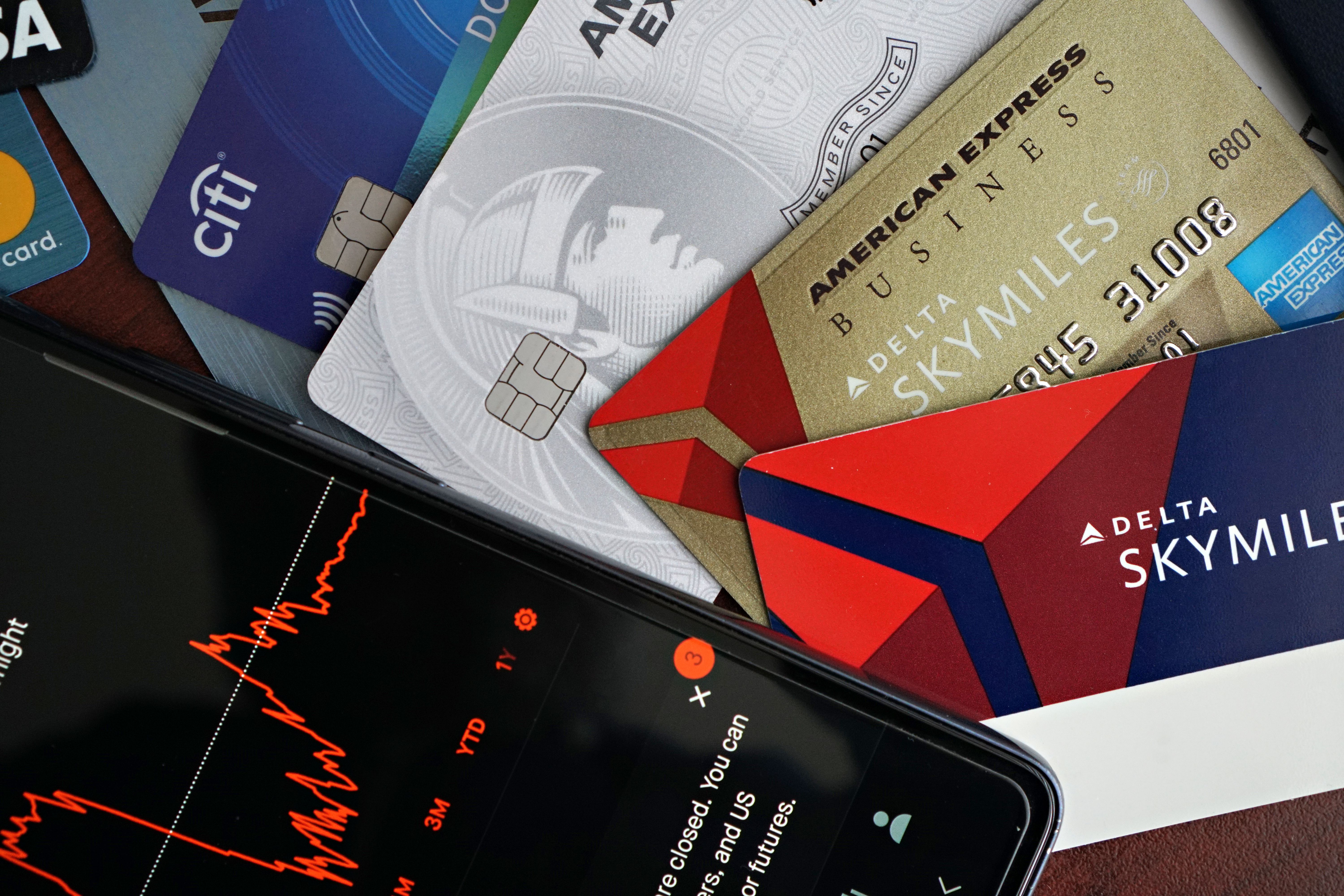
The Decisive Move: How to Apply and What to Expect
Applying for a balance transfer card is like any other credit card application, but with an extra step:
- Check Your Credit Score: Most top-tier balance transfer cards require good to excellent credit (typically FICO scores of 670+). Knowing where you stand helps you target the right cards. Many banks and services like Credit Karma or Experian offer free access to your score.
- Gather Information: You'll need the account numbers and the amount of debt you wish to transfer from your existing cards.
- Apply Online: The quickest way is usually directly through the card issuer's website. During the application process, you'll specify the balance transfer details.
- Wait for Approval: If approved, the card issuer will process the transfer. This can take anywhere from a few days to a few weeks (typically 2-21 days). It's crucial to keep making payments on your old cards until you confirm the transfer is complete and the balance on the old card is zero. Don't assume the transfer is instant.
- Activate and Plan: Once the new card arrives and the transfer is confirmed, activate your card, set up your payoff plan, and start chipping away at that principal.
Eligibility requirements will vary by issuer. They'll look at your income, existing debt, and overall credit history. Don't be surprised if your approved credit limit isn't enough to cover your entire desired transfer; you might need to prioritize which balances to move. You cannot transfer balances between two cards from the same issuer (e.g., from one Chase card to another Chase card).
The Bottom Line: Execute with Precision, Not Hope
Balance transfer credit cards are a powerful weapon against crippling interest, a temporary truce in the war against debt. They offer a tangible, immediate path to significant savings and a faster payoff, provided you approach them with discipline. Don't view them as a perpetual interest-free revolving door. They're a precision tool, designed for a specific job: getting you out of high-interest debt, fast. Use that window wisely. Pay down your principal, avoid new charges, and mark that expiration date on your calendar. Do that, and you'll not only save a small fortune in interest but also build a healthier financial foundation for years to come. The opportunity in 2026 is clear; it's up to you to seize it.
MAKIA ENI TIMOTHY is the founder and lead editor of Skrihbe. His work explores the intersection of macroeconomic market trends, quantitative trading algorithms, personal finance strategies, and fintech innovations.